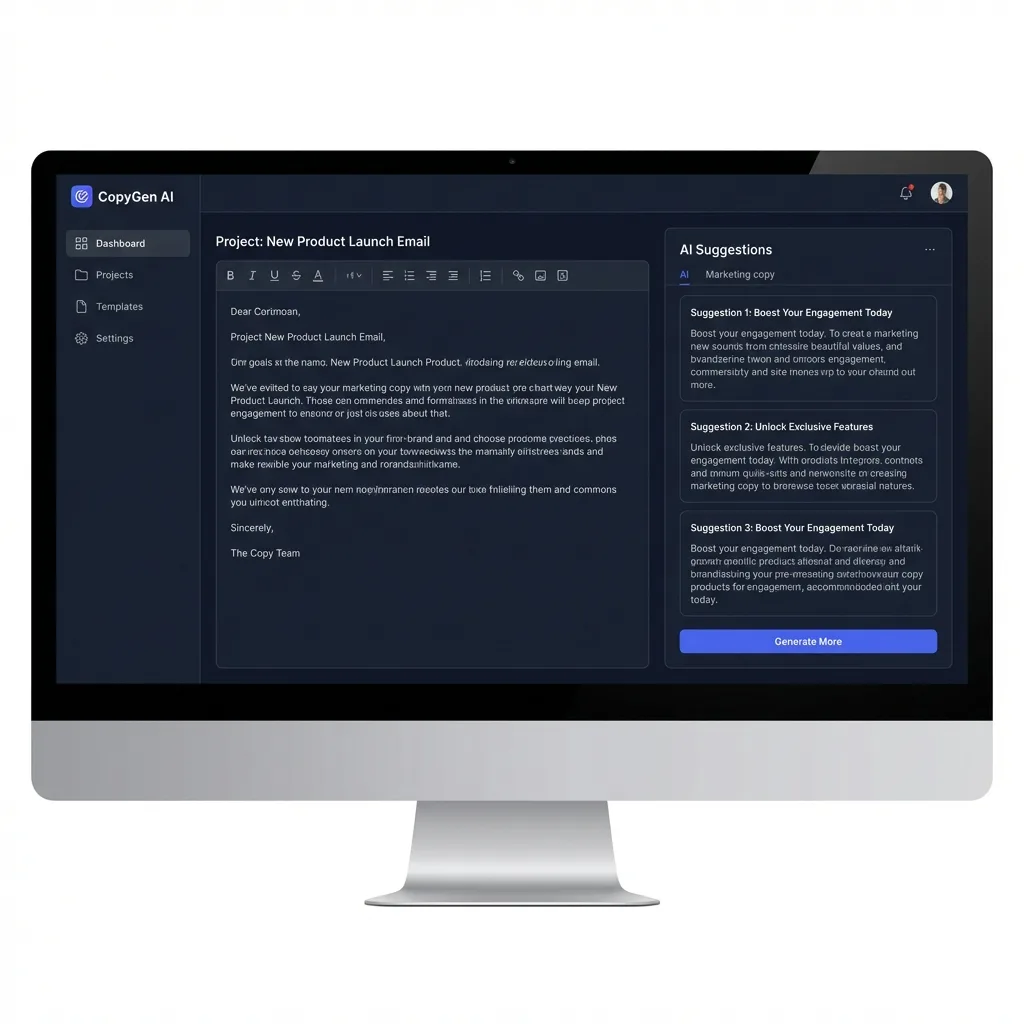
Skip to content
If you are comparing AI copy tools this year, this this review is built for one question: can it produce words that actually improve conversions, not just fill a blank page? I spent real production time inside Anyword to test landing pages, Google Ads, email subject lines, and social copy. In this guide, you will see where it shines, where it struggles, and whether its pricing makes financial sense for solo creators, agencies, and in-house teams.

What Makes This Anyword Review Different
Most roundups call every tool “powerful” and move on. This this review is practical: we look at workflow speed, output quality, editing effort, and likely ROI. Anyword positions itself less as a write anything chatbot and more as a performance copy platform. That means the benchmark is not creativity alone; the benchmark is whether teams can launch faster and convert better.
Anyword’s core hook is predictive performance scoring. The platform estimates how likely one variation is to outperform another before you publish. No AI model can guarantee results, but this layer is useful when your team is deciding between five similar ad variants under time pressure. It also pushes consistency through brand voice controls and audience personas.
Anyword Review: Key Features That Matter in Real Campaigns
1) Predictive Performance Score
This is the feature that defines the product. In this this review, it was most useful for ad channels with tight character limits and expensive traffic. Instead of choosing copy by gut feeling, you can prioritize variants with stronger predicted engagement. Treat it as directional, not absolute, but it is still better than random selection.
2) Channel-Specific Templates
Anyword includes dedicated flows for ads, product descriptions, social posts, and email. That sounds normal until you compare outputs. Generic chat tools often need heavy prompt engineering for each channel. Anyword starts with formatting constraints baked in, which cuts revision cycles for marketing teams.
3) Brand Voice and Messaging Controls
In larger teams, consistency breaks fast. This this review found that voice controls are one of Anyword’s strongest practical benefits. You can keep tone and terminology aligned across contributors, which is especially valuable for agencies handling multiple clients with different brand requirements.
4) Collaboration and Workflow Fit
Anyword is not trying to be a project-management suite. But it integrates smoothly into a common stack where strategy happens in docs, optimization happens in SEO tools, and distribution happens in ad managers. If you already run content ops with tools like Frase for SEO briefs and Surfer SEO optimization stack, Anyword can sit in the ideation-to-draft stage without adding much friction.

Pricing Breakdown: Is Anyword Worth $49/Month?
Pricing changes over time, so always confirm details on the official Anyword pricing page. At the time of this this review, the common debate is whether the entry plan is enough for serious use or if you need a higher tier for team workflows and larger volume.
| Plan Type | Who It Fits | What You Get | Potential Limitation |
|---|---|---|---|
| Starter (~$49/mo) | Solo marketers, founders | Core generation + templates | Can feel tight if volume grows fast |
| Data-Driven / Growth | Performance teams | More advanced scoring and scale | Higher monthly cost |
| Business / Enterprise | Agencies and larger orgs | Collaboration, controls, support | Needs clear process to justify spend |
The real cost question is not Is $49 expensive? It is How much time and testing waste does this remove? If Anyword saves a few hours every week and improves campaign selection quality, it can pay for itself quickly. If your use case is occasional blog brainstorming, cheaper options may be enough.
Anyword Review for Different User Types
Solo creator or indie founder
This Anyword review suggests solo users get value when they publish frequently and care about conversion copy, not just long-form writing. If you mainly need affordable drafting, you may also compare alternatives like Rytr vs Jasper alternatives. But if you run paid acquisition, predictive insights are more valuable.
In-house marketing team
For in-house teams, Anyword is strongest when messaging velocity matters. Launch windows are short, campaign assets multiply quickly, and quality control gets messy. Anyword’s structure helps reduce the rewrite loop that burns time between strategy and launch.
Agency environment
Agencies benefit from brand controls and repeatable workflows. In this Anyword review, that was a major differentiator. When you manage multiple client voices, repeatability beats raw novelty. You need consistent outcomes at scale.
Output Quality Test: How Good Is the Copy?
I tested the same product angle across four channels: Google ad headlines, Facebook ad primary text, email subject lines, and landing-page hero copy. The first draft quality was above average for performance-oriented writing. Not perfect, but usually close enough to refine quickly.
Where Anyword performs best:
- Ad copy with clear CTA goals
- Short-form conversion messaging
- Benefit-driven product positioning
- Rapid variant generation for A/B testing
Where it is weaker:
- Deep thought-leadership articles
- Nuanced storytelling with heavy domain expertise
- Highly technical B2B content without strong user prompts
So this Anyword review is positive for paid marketing and campaign ops, but more neutral for long-form editorial teams that already have strong human writers.
Anyword Review: Pros and Cons You Should Know
Pros
- Predictive scoring adds a useful decision layer
- Strong channel-focused templates reduce prompt effort
- Brand voice controls improve consistency across teams
- Fast variant generation for testing workflows
- Clean UI with low onboarding friction
Cons
- Can be overkill for casual users with light content volume
- Output still needs human editing for factual precision and voice polish
- Best value appears when integrated into a broader campaign system
- Advanced plans may feel expensive without disciplined use
How Anyword Compares to Other Popular AI Writing Tools
Compared to pure chat assistants, Anyword is more constrained but often more practical for performance marketing. Compared to broad writing suites, its scoring model is the main differentiator. If your KPI is publish faster, many tools can help. If your KPI is ship copy with a higher probability of conversion, Anyword is more specialized.
Industry coverage from sources like TechCrunch and trend analysis from firms like Gartner confirm that AI content tools are moving from novelty to measurable business outcomes. This Anyword review aligns with that shift: tooling that supports decision quality is becoming more valuable than pure text generation volume.
For official product details and releases, always verify information on Anyword’s official website.
Practical Workflow: How to Get More ROI From Anyword
- Define one conversion goal per asset. AI output improves when goals are specific.
- Generate multiple variants early. Use Anyword’s strength in rapid option creation.
- Shortlist by predictive score, then human-edit. Keep brand nuance and factual checks manual.
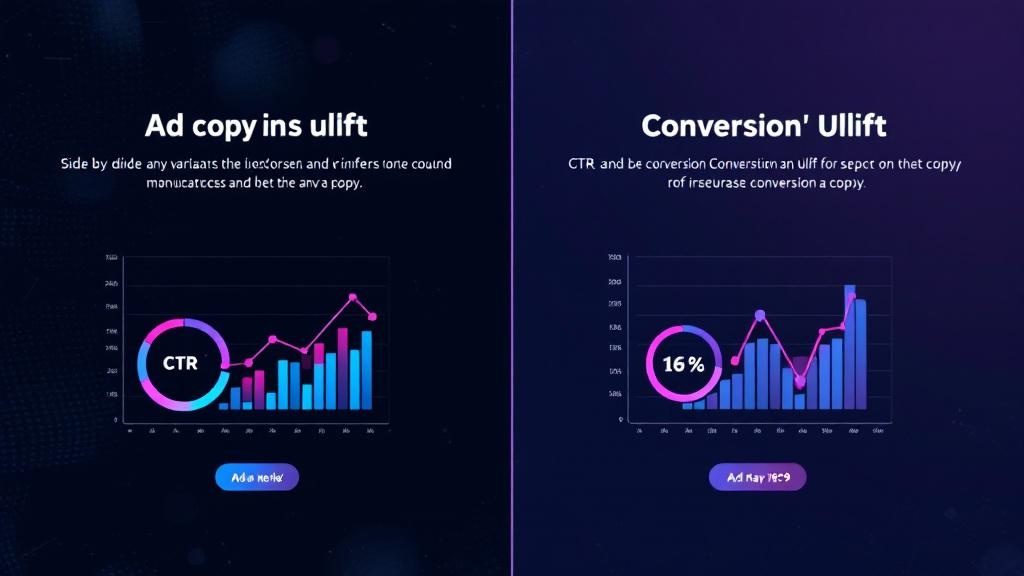
- Run structured tests. Track CTR, CPC, CVR, and downstream quality metrics.
- Document winning patterns. Reuse successful prompt frameworks and voice settings.
In this Anyword review, teams that treated Anyword as a workflow component, rather than a magic copy button, got the best results. The tool is a multiplier, not a replacement for strategy.
Final Verdict: Is Anyword Overhyped or a Smart Buy?
Final score for this Anyword review: 8.6/10.
If your work depends on paid traffic, conversion-focused messaging, and fast testing cycles, Anyword is a smart buy at the starter tier and becomes even more compelling for teams that operationalize testing. If you mostly need occasional long-form drafting, you may find better value in lower-cost alternatives.
Bottom line: Anyword is not overhyped, but it is purpose-built. Buy it for measurable marketing execution and not for generic AI curiosity.
Anyword Review FAQ for 2026 Buyers
Is Anyword good for SEO blog content?
In this Anyword review, Anyword was strongest on conversion copy and short-form campaign assets. It can still help with outlines and angles for SEO posts, but specialized optimization stacks remain useful when rankings are the primary KPI.
Can Anyword replace a human copywriter?
No. This Anyword review shows that Anyword can accelerate drafting and testing, but human strategy, product context, and final quality control remain essential.
Does Anyword help agencies?
Yes, especially where speed and brand consistency matter. This Anyword review found agency use cases particularly strong when teams run many campaigns in parallel.
Is the starter plan enough?
For many solo marketers, yes. But if your team needs deeper collaboration or high monthly volume, this Anyword review suggests evaluating higher tiers quickly to avoid workflow bottlenecks.
Who Should Skip Anyword (And Save Money)
Not every team needs a premium AI copy platform. If your content calendar is light, your ad spend is minimal, and you already have a clear writing process, you may not recover the monthly cost quickly. In that scenario, a simpler assistant plus a strong manual review process can still produce good outcomes. The biggest waste happens when teams subscribe to advanced tools but do not run disciplined testing. Before you buy, define your baseline metrics, set a weekly publishing rhythm, and decide who owns experimentation. If no one owns testing, the platform becomes a nice dashboard without business impact.
A smart approach is to run a 30-day experiment: pick one channel, generate structured variants, track performance changes, and compare against your old workflow. If speed and conversion quality improve, keep it. If results are flat, downgrade or cancel. This decision framework prevents tool sprawl and keeps your stack lean.